
Thai cuisine does not treat sweetness as a static flavor. Instead, it allows sweetness to evolve as a dish rests and breathes on the plate. Palm sugar plays the leading role in this transformation. At Mystic Thai Jamaica, chefs understand that palm sugar changes flavor over time, creating a living experience for the diner. Therefore, each bite unfolds differently, revealing depth that refined white sugar can never achieve.
Why Palm Sugar Behaves Differently Than White Sugar
Palm sugar contains natural molasses, minerals, and plant fibers. Consequently, its sweetness develops slowly and spreads across the palate instead of striking instantly. This layered structure allows the dish to remain balanced as temperature changes.
How Heat Activates Flavor Evolution
When a dish arrives hot, palm sugar expresses gentle caramel notes. As the food cools, those notes deepen, creating toasted honey undertones. Therefore, diners experience a shifting sweetness from first bite to last.
How Palm Sugar Interacts With Acidity and Spice
Palm sugar does not simply sweeten. Instead, it cushions chili heat and tames lime acidity. Over time, these elements integrate more completely, producing a round, smooth finish rather than sharp contrasts.
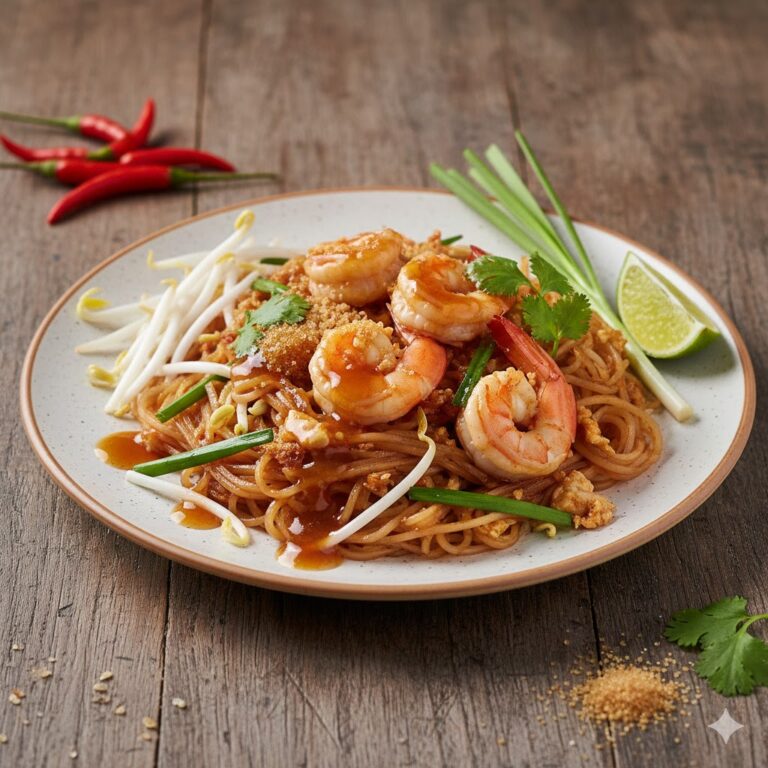
Why Timing on the Plate Matters
Unlike refined sugar, palm sugar continues reacting with fats, acids, and aromatics after plating. Therefore, the final flavor emerges during the meal itself. This living balance defines authentic Thai dining.
The Mystic Thai Approach
At Mystic Thai Jamaica, chefs carefully calibrate palm sugar quantities, knowing the flavor will evolve in front of the guest. As a result, each dish feels perfectly tuned from first taste to final bite.
👉 Experience true Thai balance at Mystic Thai
FAQs
Q1: Is palm sugar healthier than white sugar?
Yes. It contains natural minerals and has a lower glycemic impact.
Q2: Does palm sugar taste like brown sugar?
It offers deeper caramel and floral notes.
Q3: Why not replace palm sugar with honey?
Honey behaves differently and lacks the same evolution.
Q4: Which Thai dishes rely on palm sugar the most?
Pad Thai, Green Curry, and Massaman Curry.
Q5: Can palm sugar change flavor after plating?
Yes. That transformation is essential to Thai cuisine.
