
Thai food does not rush the diner. Instead, it invites presence. From the moment aroma reaches the table to the final lingering aftertaste, each element encourages you to slow down, breathe, and experience the meal fully. At Mystic Thai Jamaica, this philosophy shapes every dish. Thai cuisine is not merely eaten. It is lived.
Flavor Architecture Encourages Patience
Thai meals contain multiple layers of flavor that reveal themselves gradually. Sweet opens the palate. Sour awakens it. Salt anchors the experience. Spice builds warmth. Umami lingers. Because each layer appears at a different moment, rushing through the meal would erase the journey. Therefore, the cuisine naturally teaches patience.
Aroma Starts the Experience Before the Bite
Aromatics reach the senses before food touches the lips. Lemongrass, basil, kaffir lime, and galangal prepare the brain for flavor. As a result, diners instinctively pause. They breathe in. They anticipate. This pause becomes the first step of slow eating.
Textures Demand Awareness and Attention
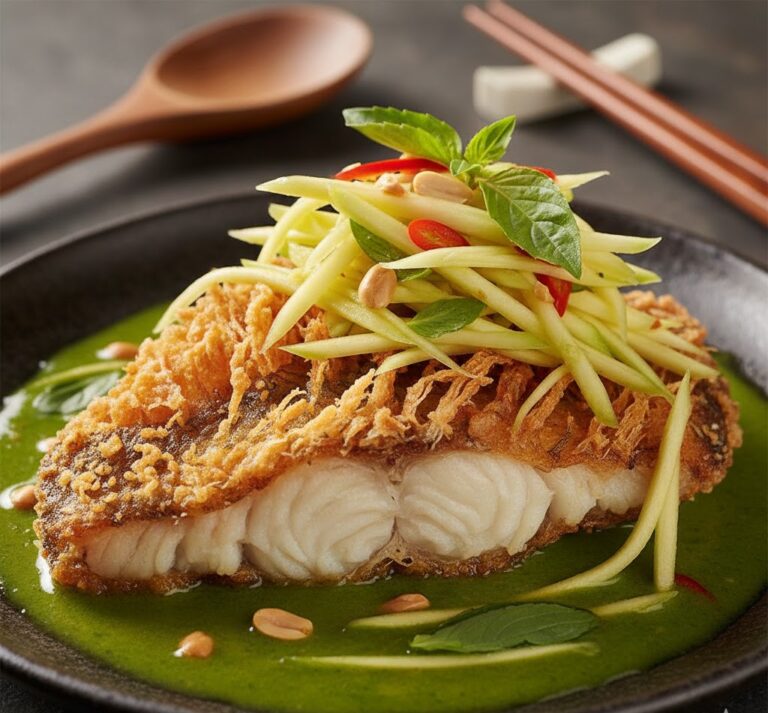
Thai cuisine balances crunchy, creamy, tender, chewy, and crisp in the same dish. Each bite delivers contrast. Therefore, the mind remains engaged. Because the experience keeps changing, the diner slows down to notice it all.
Shared Plates Create Natural Rhythm
Thai dining favors shared dishes. Instead of rushing through one plate, guests sample many flavors. They talk. They pause. They exchange bites. This rhythm stretches the meal naturally and turns eating into a connection.
The Body Responds to the Pace
Slow eating allows the body to register fullness and satisfaction. Thai food supports this process through clean ingredients, bright acids, and light broths. Consequently, diners leave the table feeling nourished rather than heavy.
Experience mindful Thai dining at Mystic Thai Jamaica:
Mystic Thai
FAQs
Q1: Is slow eating part of Thai culture?
Yes. Meals reflect presence, balance, and connection.
Q2: Does Thai food help digestion?
Yes. Herbs and spices actively support digestion.
Q3: Why does Thai food feel satisfying without feeling heavy?
Because balance and pacing work together.
Q4: Can I practice mindful eating with Thai food at home?
Absolutely. Focus on aroma, texture, and flavor layers.
Q5: Which dishes encourage slow eating the most?
Curries, soups, and multi-component plates.
