
Great Thai cooking is not about how much can be added. It is about knowing when to stop. The most important decision often happens at the end, when a chef chooses not to add more chili, more sugar, or more sauce. This pause protects balance. At Mystic Thai Jamaica, that moment of restraint defines the difference between food that is loud and food that feels alive.
Stopping Protects the Character of Ingredients
Thai cuisine respects natural flavor. Herbs should remain bright. Coconut should stay gentle. Fish sauce should support rather than lead. Therefore, chefs stop before any element overshadows the others. Because of this discipline, ingredients keep their identity instead of disappearing into excess.
Why can it become subtraction
Every extra spoon risks taking something away. Restraint preserves what already works.
Balance Lives in the Final Moment
The last adjustment is the most sensitive. A few drops of lime can lift the whole dish, yet a few more can flatten it. Consequently, Thai cooks listen carefully before moving forward. They trust the point where flavors meet instead of chasing perfection beyond it.
Why “perfect” often means “enough.”
In Thai cooking, enough is not the absence of effort. It is the peak of attention.
Heat Requires an Early Exit
Chili should excite, not dominate. Thai chefs add heat with an escape plan, allowing spice to rise and then fade. Therefore, they stop before intensity becomes stubborn. This control keeps the meal welcoming from first bite to last.
Why less chili often taste like more
When heat stays gentle, other flavors finally have room to speak.
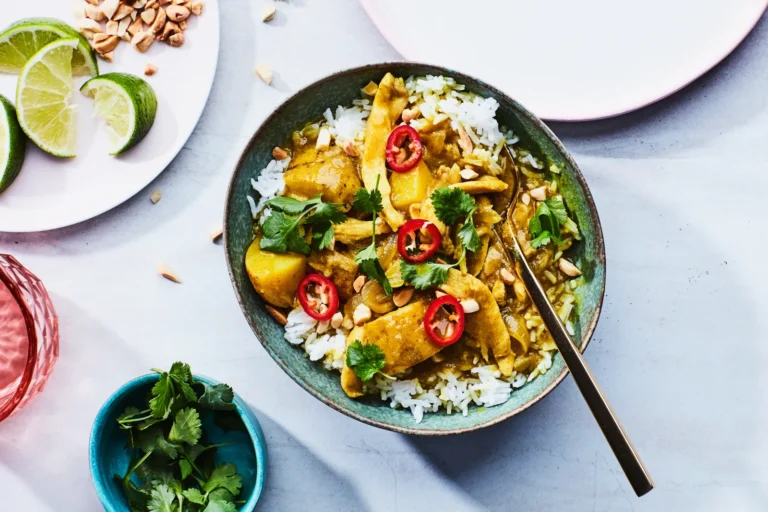
Timing Tells Chefs When to Step Back
Thai cooking reads sound, scent, and color. A change in aroma signals readiness. A quiet sizzle says enough oil. Because the senses guide decisions, stopping becomes an act of listening rather than guessing.
The Beauty of the Unfinished Touch
Thai food does not aim to be overloaded with finishing gestures. The clean ending allows aftertaste to remain light and clear. As a result, diners leave satisfied instead of weighed down. The art of stopping becomes the final ingredient.
Experience this thoughtful restraint at
👉Mystic Thai
FAQs
Q1: Why is stopping so important in Thai cooking?
Because balance can break with even one extra addition.
Q2: Do Thai chefs follow strict measurements?
No. They rely on sensory judgment to decide when to stop.
Q3: Can too much seasoning ruin a Thai dish?
Yes. Excess hides aroma and texture.
Q4: Is this why Thai food feels light?
Exactly. Restraint prevents heaviness.
Q5: How does Mystic Thai Jamaica apply this idea?
By finishing dishes with careful tasting instead of routine.

