
In Thai kitchens, the nose leads before the tongue. Chefs rarely finish a dish by measurement alone. Instead, they pause, inhale, and allow aroma to guide the final decision. Because scent reveals balance earlier than taste, Thai cuisine trusts fragrance as the most honest judge. At Mystic Thai Jamaica, this sensory wisdom shapes every plate long before it reaches the table.
Aroma Speaks Before Seasoning
Thai cooks treat aroma as the first language of flavor. When lemongrass warms in oil or basil touches steam, the scent announces what the dish still needs. Therefore, chefs adjust gently rather than guessing. A breath can suggest a drop of lime or a pinch of palm sugar. This dialogue between nose and pan keeps flavors clear and alive.
Why the nose knows earlier than the tongue
Smell reaches the brain faster than taste, so aroma predicts balance before a spoon ever touches the lips.
Timing Is Written in the Air
Thai cuisine reads time through scent. Garlic turning from sharp to sweet signals the next step. Coconut milk releasing softness tells the chef to slow down. Consequently, aroma becomes a clock more reliable than minutes on a timer. Each stage of cooking announces itself through the air.
Why recipes cannot replace fragrance
Ingredients change daily, but aroma always tells the truth of the moment.
The Final Touch Is an Inhaled Decision
Before serving, Thai chefs often stop and breathe in the dish. If the fragrance feels heavy, they add brightness. If it feels thin, they deepen it gently. Therefore, the last adjustment is guided by scent rather than habit. This practice keeps every plate responsive instead of mechanical.
Why aroma protects balance
Smell warns when a flavor is about to dominate, allowing restraint at the perfect time.
Herbs Are Chosen for Their Voice
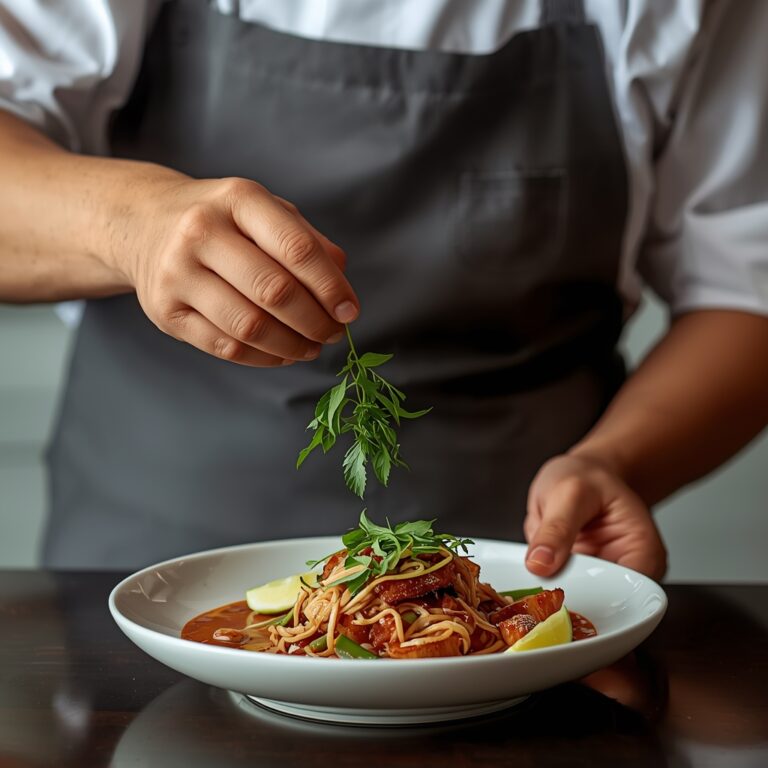
Thai cooking selects ingredients as much for fragrance as for taste. Kaffir lime leaves lift the spirit of a curry. Basil cools rising heat. Galangal adds quiet warmth. Because these aromas speak clearly, the chef listens and follows their direction.
Diners Experience What Chefs Smell
When aroma leads the process, the diner receives food that feels alive. Flavor arrives already balanced, and the first bite matches the promise of the scent. This harmony explains why Thai dishes feel confident without trying to impress.
Experience aroma-guided Thai cooking at
👉Mystic Thai
FAQs
Q1: Do Thai chefs really rely on smell more than taste?
Yes. Aroma reveals balance earlier and more clearly than the tongue.
Q2: Can aroma tell when a dish is finished?
Absolutely. Changes in fragrance signal the final moment.
Q3: Why are Thai herbs added at the end?
To keep their aroma bright and expressive.
Q4: Does this method work with Jamaican ingredients?
Yes. Fresh Caribbean produce responds beautifully to scent-led cooking.
Q5: How does Mystic Thai Jamaica apply this approach?
By finishing dishes through sensory judgment, not routine.

