
Long before the fork moves, Thai food has already begun the conversation. The first message is not taste but scent. Lemongrass, lime leaves, basil, and warm chilies rise into the air and prepare the mind for what is coming. At Mystic Thai Jamaica, dishes are designed so the nose meets the meal before the tongue ever arrives. This simple truth explains why Thai cuisine feels vivid from the very first moment.
Aroma Opens the Door to Appetite
Thai cooking understands that smell awakens hunger faster than flavor. When aromatics touch heat, their oils travel directly to the brain. Therefore, the body becomes ready to receive food before chewing begins. This early invitation makes every dish feel welcoming rather than demanding.
Why scent prepares the palate
The nose predicts balance, so the tongue arrives already curious instead of cautious.
Herbs Are the First Storytellers
Thai cuisine chooses ingredients as much for their voice as for their taste. Basil whispers coolness. Galangal hums warmth. Lime leaves speak brightness. Because these aromas lead the dish, flavor follows naturally instead of forcing its way forward.
Why herbs guide the meal
Aromatic plants create direction, so seasoning can remain gentle and clear.
Heat Releases the Invisible Layer
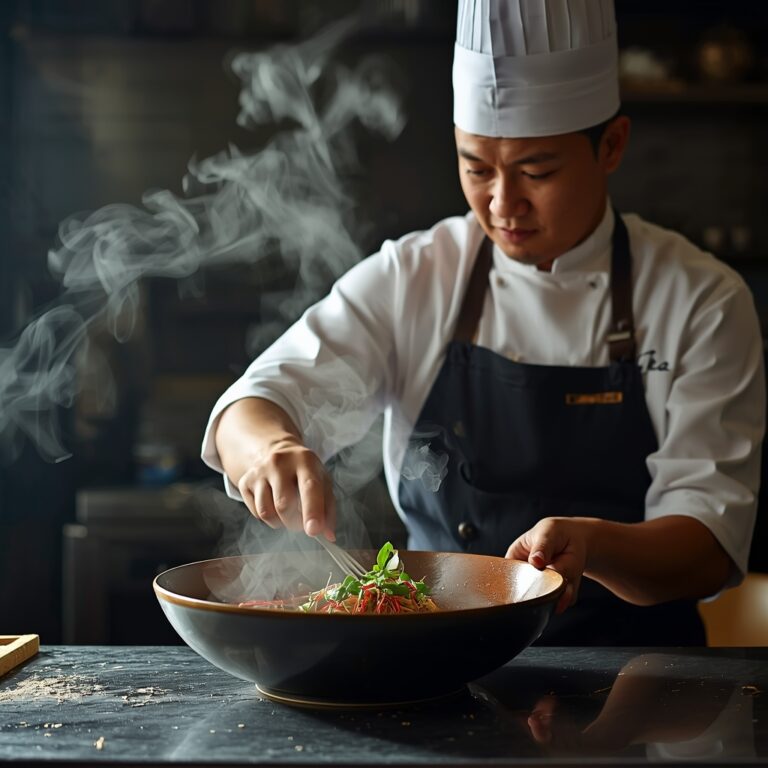
Thai chefs use heat like a key. A quick sizzle unlocks fragrance, and steam carries it across the table. Consequently, diners experience a preview of flavor before the first bite. This invisible layer becomes as important as salt or spice.
Why steam acts like seasoning
Fragrance seasons the air, and the air seasons the mind.
The Tongue Confirms What the Nose Promised
When tasting finally begins, the flavors feel familiar rather than surprising. Sweet, sour, salty, and spicy arrive as echoes of the earlier aroma. Because expectation and reality match, the dish feels balanced from the start.
Dining Becomes a Full Sensory Conversation
Thai food does not speak in one language. It uses scent, sound, heat, and texture together. The nose starts the dialogue, and the tongue continues it. This cooperation explains why Thai meals feel alive and complete rather than simply filling.
Experience aroma-led Thai cooking at
👉Mystic Thai
FAQs
Q1: Why is aroma so important in Thai cuisine?
Because smell reaches the brain before taste and prepares the palate.
Q2: Do Thai chefs cook for scent first?
Yes. Fragrance guides many final decisions.
Q3: Which Thai ingredients create the strongest aromas?
Lemongrass, kaffir lime leaves, basil, garlic, and chilies.
Q4: Does this method suit Jamaican ingredients?
Absolutely. Fresh Caribbean produce releases beautiful fragrance.
Q5: How does Mystic Thai Jamaica follow this idea?
By finishing dishes with herbs and timing that protect aroma.

