
Before the first bite ever reaches your mouth, Thai cuisine begins working on your senses. In fact, the true meal starts with your nose. Aroma prepares the brain, awakens hunger, and shapes how flavor will be experienced. At Mystic Thai Jamaica, this invisible layer of dining guides every dish from the kitchen to the table.
Aroma Signals the Brain to Begin Eating
The moment hot basil, lime leaf, garlic, or chili hits the air, the brain switches into eating mode. These scents activate salivation, digestive enzymes, and hunger hormones. Therefore, appetite does not simply follow sight or taste. It begins with smell.
Thai Ingredients Are Built for Scent
Thai cuisine depends heavily on aromatic ingredients: lemongrass, galangal, kaffir lime leaves, Thai basil, fish sauce, and roasted chilies. Each ingredient releases complex scent layers. As these aromas blend, they create a powerful signal that tells the brain a rich experience is coming.
Aroma Shapes Flavor Before the First Bite
When aroma reaches the brain first, taste follows differently. The same dish will seem richer, deeper, and more satisfying when scent arrives first. Because of this, Thai chefs focus intensely on fragrance. The nose becomes the brain’s preview of flavor.
Heat Releases Hidden Flavor Messages
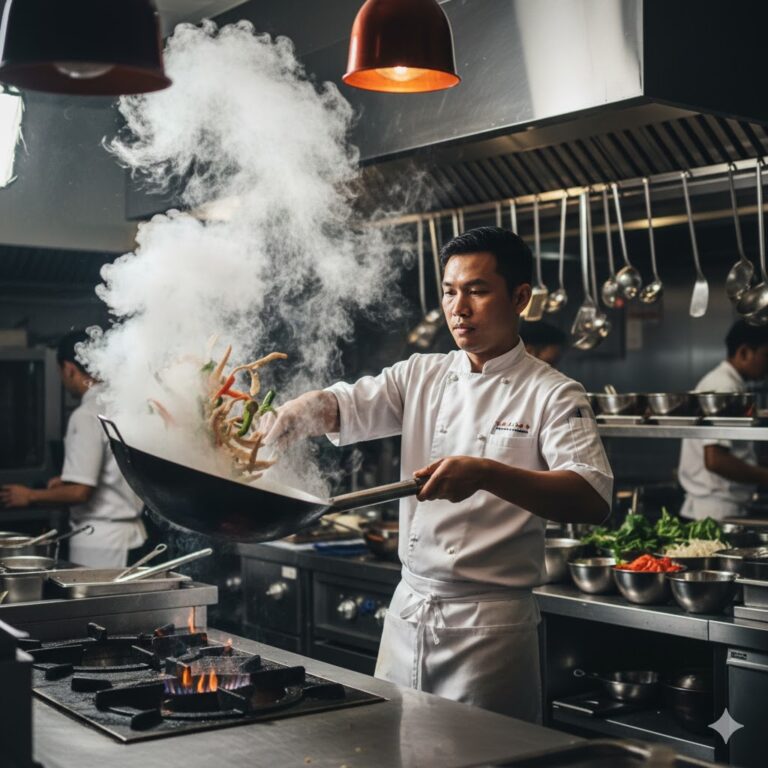
High heat plays a critical role. When ingredients hit the wok, volatile aroma compounds rise instantly. This steam carries invisible flavor messages straight to the diner’s senses. Consequently, appetite grows stronger long before the plate arrives.
Aroma Prevents Overeating
A strong aroma increases satisfaction early in the meal. Because the brain feels fulfilled sooner, diners eat slower and stop earlier. This explains why Thai food feels deeply satisfying without heaviness. Aroma works as a natural appetite regulator.
How Mystic Thai Designs Every Dish Around Aroma
At Mystic Thai Jamaica, chefs build each recipe around its scent profile first. They toast spices carefully, bruise herbs gently, and layer aromatics at specific moments. As a result, every dish arrives already communicating with the diner’s brain.
🔗 Experience Thai dining that awakens every sense:
Mystic Thai
FAQs
Q1: Why does Thai food smell so powerful?
Thai cuisine uses fresh aromatics and high heat to release scent compounds quickly.
Q2: Does aroma really affect appetite?
Yes. Smell activates hunger hormones and digestion before eating begins.
Q3: Can aroma make food more satisfying?
Absolutely. Aroma prepares the brain to experience deeper flavor and fullness.
Q4: Why does Thai food never feel heavy?
Aroma-driven satisfaction prevents overeating and supports balanced digestion.
Q5: Which Thai ingredients are most aromatic?
Lemongrass, kaffir lime leaves, galangal, Thai basil, chilies, and fish sauce.

