
Thai food is often described as vibrant, balanced, and alive. While ingredients and technique matter, another element quietly shapes how Thai flavors are experienced: plate temperature. At Mystic Thai Jamaica, temperature is not accidental. It influences aroma, texture, and how the brain interprets taste. Thai cuisine understands that flavor begins before the first bite—and warmth plays a central role.
Warm Plates Activate Aroma First
In Thai cooking, aroma leads flavor. Warm plates help release essential oils from herbs, curries, and sauces the moment food arrives. Basil, galangal, lime leaf, and chili bloom faster on warm surfaces. As a result, the nose experiences the dish before the tongue does. This prepares the brain to perceive flavor as fuller and more rounded.
Temperature Shapes Sweet, Sour, and Spice Balance
Thai cuisine relies on balance rather than dominance. Warm temperatures soften acidity, mellow sweetness, and smooth sharp spice edges. When food cools too quickly, sour notes become aggressive, and chili heat feels harsher. Proper plate warmth keeps flavors integrated, allowing no single element to overpower the others.
Texture Depends on Heat Retention
Thai dishes often combine crisp, tender, and silky textures. Warm plates protect this balance. Crispy elements stay crisp longer. Sauces remain fluid, not sticky. Proteins stay tender instead of tightening as the heat drops. Therefore, texture satisfaction lasts throughout the meal, not just the first bite.
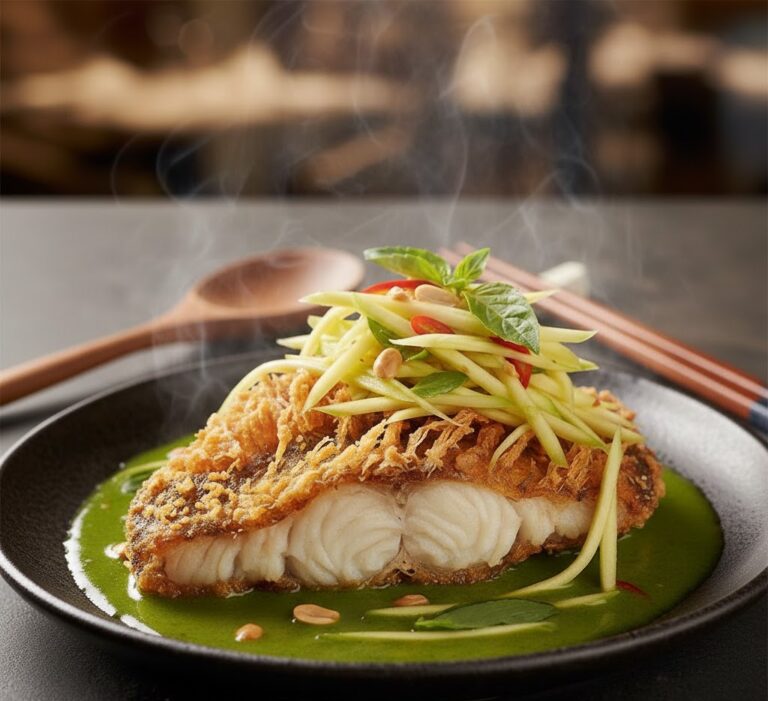
The Brain Associates Warmth with Comfort and Trust
Warm food signals safety and nourishment at a psychological level. Thai meals often aim to calm while stimulating the senses. When a dish stays warm, the brain interprets it as intentional and complete. This emotional response enhances enjoyment and reduces the need for excess seasoning or sweetness.
Why Thai Food Is Served Hot but Eaten Slowly
Thai food is designed to be savored. Warm plates allow gradual cooling, revealing new flavor layers over time. Early bites emphasize aroma and spice. Later bites highlight sweetness and depth. This slow evolution keeps the diner engaged, making the experience feel thoughtful rather than rushed.
Experience temperature-aware Thai dining at
👉 Mystic Thai
FAQs
Q1: Why does Thai food taste better when served hot?
Heat releases aroma compounds that enhance flavor perception.
Q2: Does plate temperature really matter?
Yes. It affects aroma, balance, texture, and mouthfeel.
Q3: Can cold plates ruin Thai food?
They can mute aroma and exaggerate sour or spicy notes.
Q4: Why don’t Thai dishes rely on heavy sauces for flavor?
Because heat and balance do the work naturally.
Q5: Which Thai dishes benefit most from warm plates?
Curries, stir-fries, soups, and aromatic rice dishes.

