
Thai food rarely announces its complexity. Instead, it feels effortless. That ease comes from an invisible craft—decisions made quietly, often without measurement. Balance in Thai cuisine is not accidental. It is built through scent, timing, restraint, and intuition. These subtle choices shape every dish long before it reaches the table.
Balance Begins Before Cooking Starts
Thai balance starts in preparation, not the pan. Chefs smell herbs, test chilies, and feel textures. Because ingredients vary daily, recipes stay flexible. As a result, balance adjusts naturally. This early sensory check prevents overcorrection later and keeps flavors calm from the beginning.
Timing Does More Than Measurement
In Thai cooking, when matters more than how much. Acid added too early flattens flavor. Herbs added too late lose aroma. Therefore, timing becomes the primary tool of balance. Each addition shifts the dish gently rather than forcefully. This precision stays mostly unseen, yet it defines the outcome.
Restraint Is the Loudest Skill
Thai balance depends on what is left out. Chefs resist the urge to intensify. Chili stays supportive. Sugar rounds edges instead of leading. Salt enhances rather than announces itself. Consequently, no single note dominates. The dish speaks softly, yet clearly.
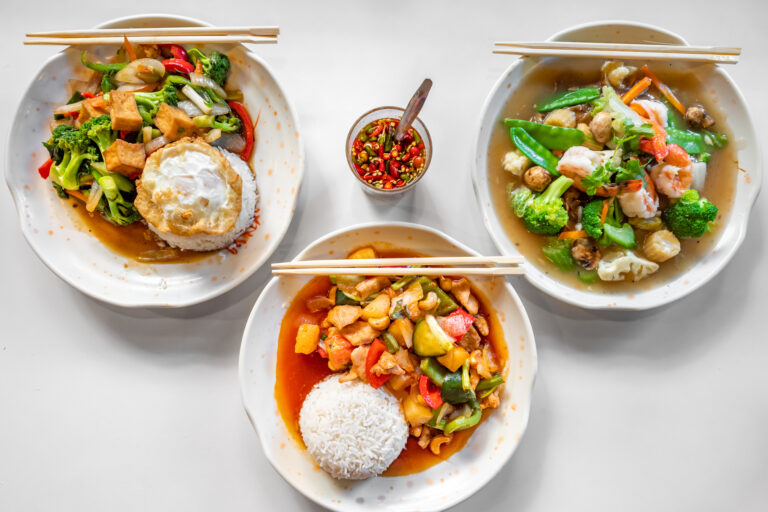
Temperature Guides Flavor Perception
Heat activates aroma. Cooling reveals sweetness and acid. Thai cooks understand this instinctively. Therefore, dishes are served at temperatures that allow flavors to unfold gradually. Balance shifts across the meal instead of peaking instantly. This temperature awareness keeps the experience dynamic without chaos.
The Diner Never Notices—And That’s the Goal
True Thai balance feels natural. Diners do not analyze it. They simply feel comfortable, satisfied, and engaged. That invisibility is intentional. When balance is perfect, technique disappears. What remains is calm enjoyment—food that nourishes without demanding attention.
Experience Thai balance crafted quietly and intentionally at
👉Mystic Thai
FAQs
Q1: Why does Thai food feel effortless despite complexity?
Because balance is built gradually through intuition and timing.
Q2: Are recipes less important in Thai cooking?
Recipes guide, but sensory judgment leads.
Q3: Does balance change daily?
Yes. Ingredients shift, so balance adapts.
Q4: Why doesn’t Thai food feel overwhelming?
Restraint keeps flavors cooperative, not competitive.
Q5: How does Mystic Thai Jamaica preserve this craft?
By respecting traditional Thai techniques while using fresh local ingredients.

