
Before the first bite, Thai food already starts working on the body. Many diners notice it instantly: saliva builds, appetite sharpens, and the mouth feels awake. This reaction is not accidental. Thai cuisine is structured to stimulate salivary glands through aroma, acidity, texture, and heat. As a result, eating becomes more vivid, more satisfying, and easier to digest.
Aroma Triggers the Salivary Reflex First
Saliva production often begins with smell. Thai food releases volatile aromatic oils the moment it reaches the table. Lemongrass, galangal, basil, and lime leaves activate the brain’s anticipatory response. Therefore, the mouth prepares itself before chewing begins. This early activation explains why Thai food feels “alive” even before tasting.
Acidity Signals the Mouth to Prepare
Sourness is one of the strongest saliva triggers. Thai cuisine uses lime juice, tamarind, green mango, and fermented elements consistently. These acids tell the mouth that digestion is about to start. Consequently, salivary flow increases to protect enamel, balance pH, and prepare enzymes. Other cuisines may use acid sparingly, but Thai food builds it into the core.
Chili Heat Stimulates Without Overwhelming
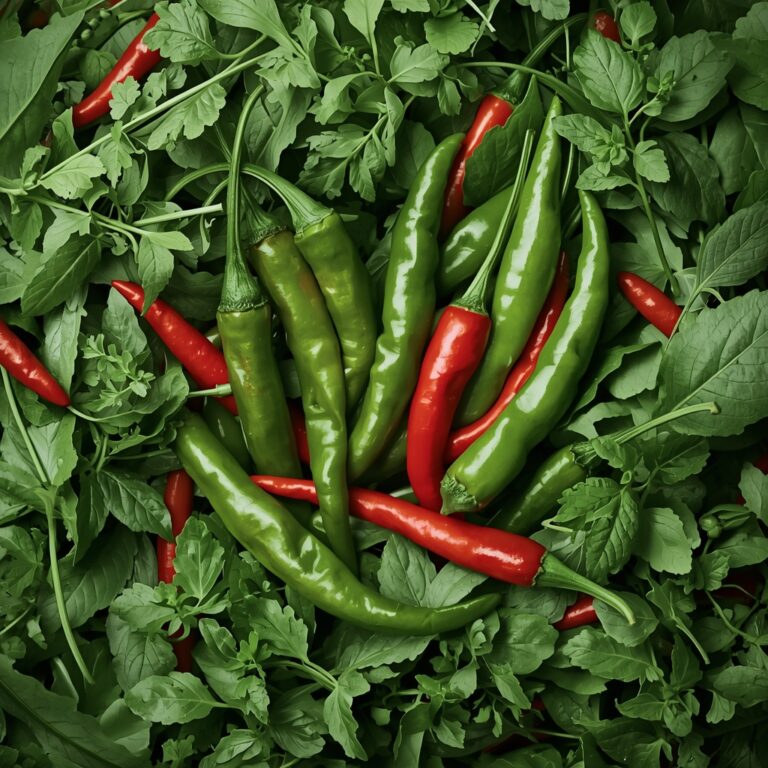
Capsaicin, the compound in chilies, stimulates nerve endings in the mouth. Thai chilies activate those nerves quickly but cleanly. Therefore, saliva increases to cool and lubricate the palate. Unlike aggressive heat styles, Thai spice is layered and brief. This balance keeps saliva flowing without causing fatigue or numbness.
Textural Contrast Keeps the Mouth Engaged
Thai food rarely offers a single texture. Crunchy herbs meet soft noodles. Crisp vegetables meet silky curries. Because of this contrast, the mouth stays active. Saliva increases to adapt to constant change. Each bite feels dynamic, which maintains appetite and focus throughout the meal.
Balance Prevents Sensory Shutdown
Thai cuisine avoids dominance. No single flavor overwhelms for long. Sweetness calms heat. Sourness refreshes richness. Salt sharpens aroma. This balance keeps sensory receptors alert instead of overloaded. As a result, the mouth continues producing saliva from start to finish. The eating experience stays fresh, not exhausting.
Experience this sensory balance at
👉 Mystic Thai
FAQs
Q1: Why does Thai food make my mouth water instantly?
Because aroma and acidity activate salivary reflexes before tasting.
Q2: Is chili the main reason for saliva production?
No. Aroma and sourness play a larger role than heat alone.
Q3: Does saliva improve flavor perception?
Yes. Saliva helps dissolve flavor compounds and carry aroma.
Q4: Is this why Thai food feels easier to eat?
Yes. Increased saliva improves chewing and digestion.
Q5: Do all Thai dishes create this effect?
Most do, because balance and aroma are built into the cuisine.

