
Thai food is known for its heat. Yet that heat rarely overwhelms. Instead, it rises quickly, excites the palate, and then fades—leaving flavor behind. This is not accidental. Thai cuisine designs spice as a sensation, not a punishment. Through ingredient choice, balance, and timing, Thai heat stimulates without lingering aggressively.
Thai Chilies Deliver Sharp, Volatile Heat
Thai bird’s eye chilies contain capsaicin that releases quickly. Scientifically, this means heat peaks fast and dissipates sooner. Unlike oil-heavy chili pastes, Thai chilies are often fresh. Therefore, the heat flashes bright instead of clinging. As a result, the mouth feels energized rather than exhausted.
Acidity Clears the Palate Instantly
Thai dishes pair chilies with lime, tamarind, or vinegar. Acid cuts through capsaicin molecules and stimulates saliva. Consequently, heat washes away faster. Flavor, however, remains. This is why Thai spice feels refreshing instead of heavy. The palate resets between bites, allowing continued enjoyment.
Herbs Distract the Brain From Heat
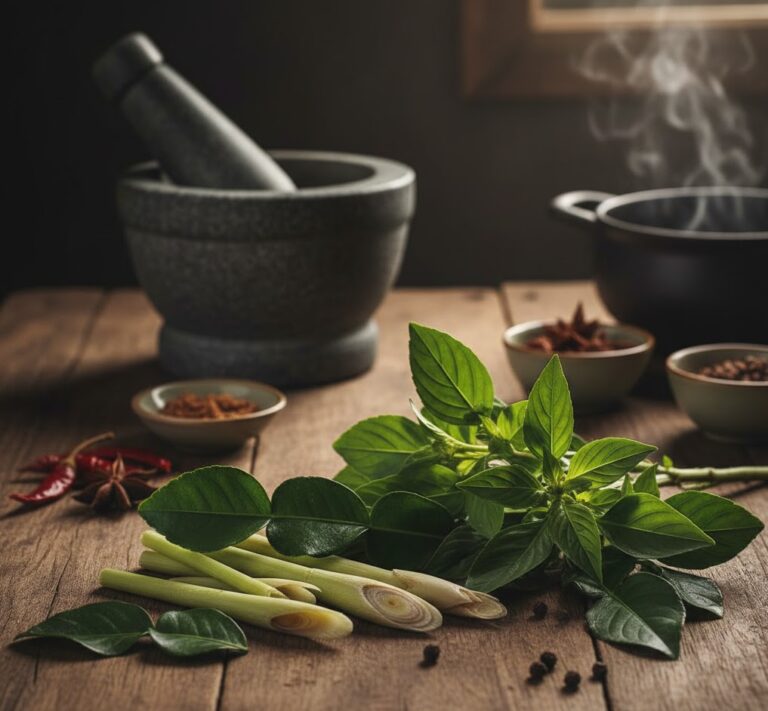
Aromatic herbs play a psychological role. Lemongrass, basil, and kaffir lime release volatile oils that activate smell receptors. The brain processes aroma before pain. Therefore, heat feels less dominant. Flavor takes center stage. This sensory redirection keeps Thai dishes complex instead of fiery.
Fat Is Used Sparingly, Not as a Heat Trap
Capsaicin binds to fat. Many cuisines rely on heavy oils, which prolong heat. Thai cuisine uses just enough fat to carry flavor, not trap spice. Coconut milk, when used, softens heat without extending it. Thus, warmth fades while richness stays balanced.
Balance Prevents Heat Fatigue
Thai food rarely relies on spice alone. Sweetness, salt, sourness, and umami surround heat from every angle. Because taste receptors cycle stimulation, heat cannot dominate. The result feels dynamic. Each bite resets the experience instead of compounding intensity.
Experience clean heat and lasting flavor at
👉 Mystic Thai
FAQs
Q1: Why doesn’t Thai spice burn for long?
Because fresh chilies, acid, and herbs clear heat quickly.
Q2: Is Thai food less spicy than other cuisines?
Not necessarily. It is just designed to fade faster.
Q3: Does lime really reduce chili heat?
Yes. Acid increases saliva, which disperses capsaicin.
Q4: Why does flavor last longer than heat?
Because aroma and umami compounds linger after the spice fades.
Q5: Can spice levels be adjusted without losing flavor?
Absolutely. Thai cuisine adapts heat without compromising balance.

